
Flat Rate Shipping! Regular Post: $8 all over Australia & FREE for orders over $150!

Flat Rate Shipping! Regular Post: $8 all over Australia & FREE for orders over $150!
Welcome to Kohnke’s Own
Kohnke’s Own horse supplements and health care products are designed by equine veterinarian and respected authority in horse nutrition, Dr. John Kohnke BVSc RDA. From grass roots to high performance, Kohnke’s Own have 30 different products to meet any horse’s needs.
Make the change to Kohnke’s Own and see the difference in your horse! Our supplements are well known for their exceptional effectiveness.
Now at the 20th anniversary of the Kohnke’s Own brand, we celebrate our status as a world-leader in equine nutritional supplements through our focus on quality, research, careful manufacturing and constant innovation.
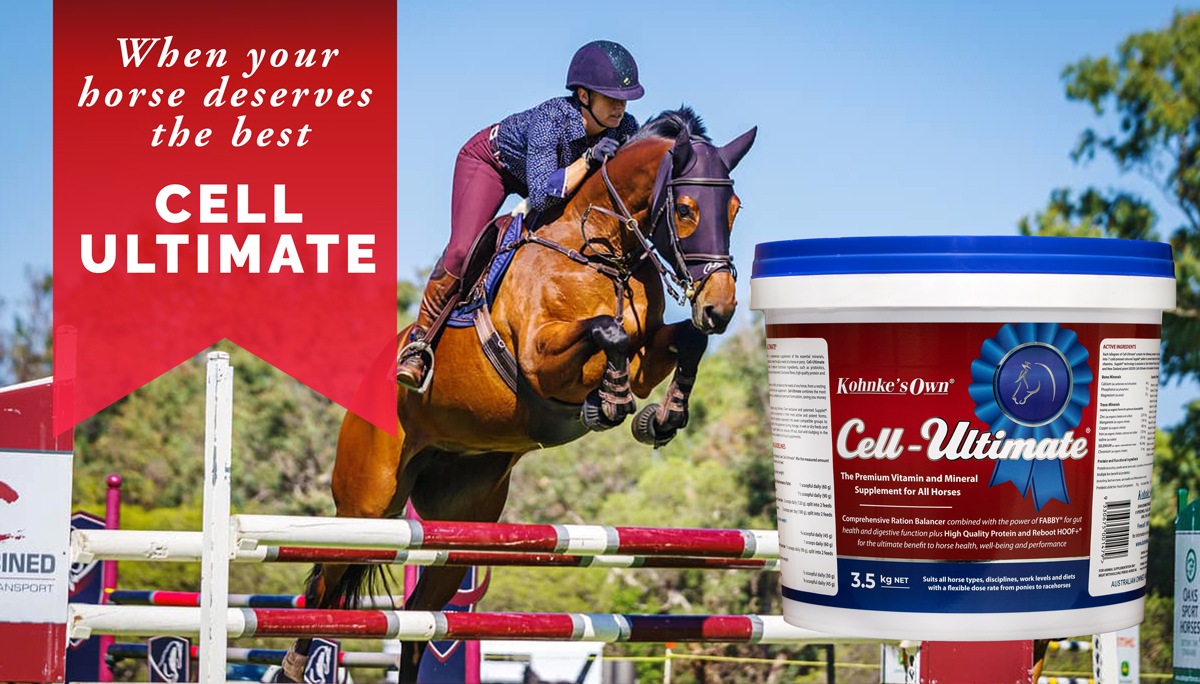
Kohnke’s Own® supplements combine
Top quality ingredients for higher potency and better absorbed nutrients
World-leading formulations to optimise health and performance on any diet
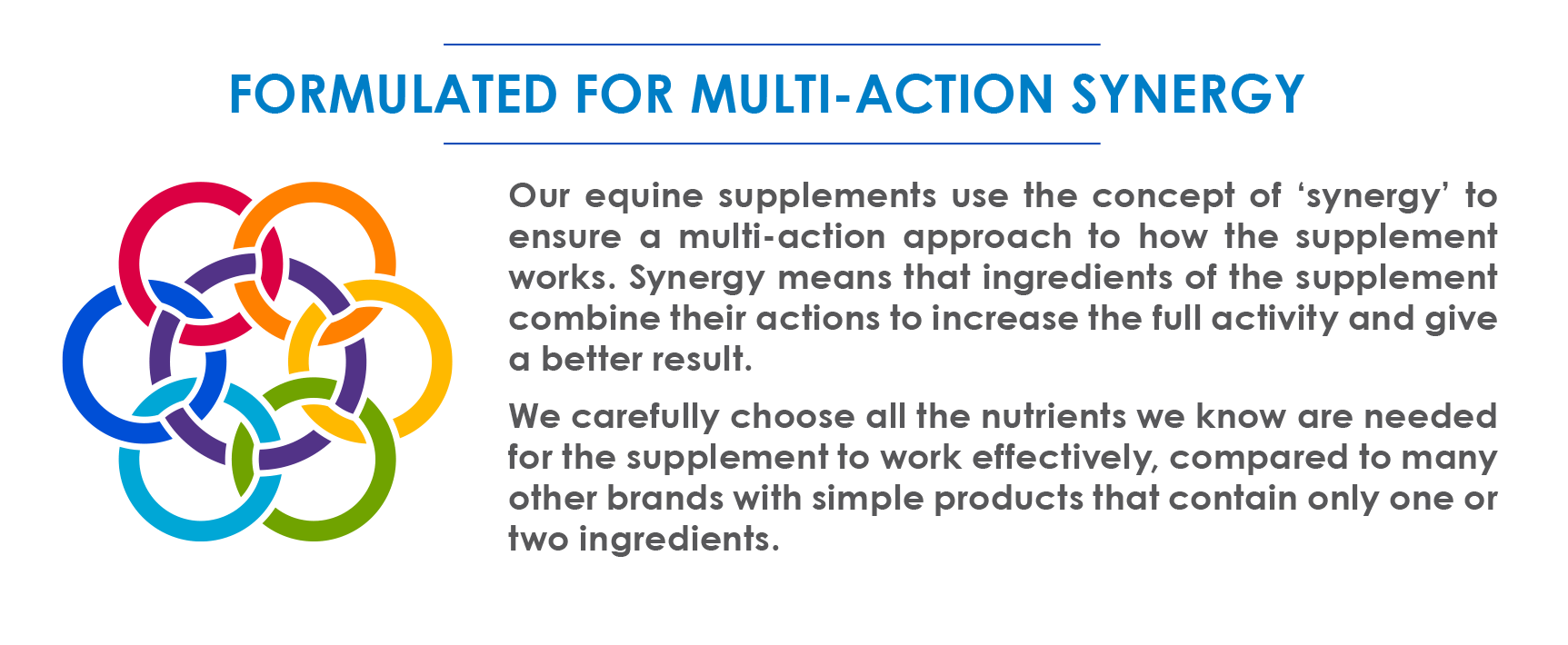
Innovative supplement design to benefit from science and multi-action synergy
Field tested and research proven for real results you can trust!
The Kohnke’s Own Difference
Kohnke’s Own supplements are particularly known for achieving visible results in improving the health, vitality and performance of horses, irrespective of age, breed or exercise level. Our commitment to quality and effectiveness is evident in the trust that Aussie horse owners have in Kohnke’s Own; our range is a market leader in equine supplements and stocked by top feedstores and saddleries. We believe in providing superior supplements with the best value for money when comparing ingredients and cost per daily dose.
Unique, World-Leading Formulations
We are proud to be an Aussie made and family owned company, but our equine supplements and health care products are world-class. The pelleted Supplet® system is patent-protected and unique to Kohnke’s Own. This exclusive technology allows the vitamins and minerals in the supplement to be presented in their most active and potent forms, so that your horse receives the maximum benefit from every scoopful.
The Kohnke's Own Difference
Kohnke’s Own supplements are particularly known for achieving visible results in improving the health, vitality and performance of horses, irrespective of age, breed or exercise level. Our commitment to quality and effectiveness is evident in the trust that Aussie horse owners have in Kohnke’s Own; our range is a market leader in equine supplements and stocked by top feedstores and saddleries. We believe in providing superior supplements with the best value for money when comparing ingredients and cost per daily dose.
Unique, World-Leading Formulations
We are proud to be an Aussie made and family owned company, but our equine supplements and health care products are world-class. The pelleted Supplet® system is patent-protected and unique to Kohnke’s Own. This exclusive technology allows the vitamins and minerals in the supplement to be presented in their most active and potent forms, so that your horse receives the maximum benefit from every scoopful.
Regularly Updated Supplements
Kohnke’s Own recently celebrated our 20 year anniversary. We are proud to have a strong history in optimising the health and nutrition of horses around Australia, however our team are always keeping up-to-date with the latest equine nutritional information. We regularly update and refine our formulations as well as design new products to ensure that your horse has the best supplements containing the latest nutrient technologies.
Backed by Real Research
At Kohnke’s Own, 50 – 100 Australian horses are involved in the development of every new supplement, with the progress carefully documented throughout the course of the trial, which can take from 2 – 5 years.
Long term field research trials are unique to Kohnke’s Own and represent a critical investment to ensure the optimum safety, stability, efficacy and palatability of our supplements, for maximum benefit to every horse.
Regularly Updated Supplements
Kohnke’s Own recently celebrated our 20 year anniversary. We are proud to have a strong history in optimising the health and nutrition of horses around Australia, however our team are always keeping up-to-date with the latest equine nutritional information. We regularly update and refine our formulations as well as design new products to ensure that your horse has the best supplements containing the latest nutrient technologies.
Backed by Real Research
At Kohnke’s Own, 50 – 100 Australian horses are involved in the development of every new supplement, with the progress carefully documented throughout the course of the trial, which can take from 2 – 5 years.
Long term field research trials are unique to Kohnke’s Own and represent a critical investment to ensure the optimum safety, stability, efficacy and palatability of our supplements, for maximum benefit to every horse.
“Helping horses and their owners has been my lifelong commitment for over 40 years as an equine veterinarian. My years of scientific research, consultation and practical experience of horse health and nutrition has been the basis of Kohnke’s Own range of supplements and health care products.
Now, 20 years after launching Kohnke’s Own, my team and I are still proud and passionate about improving the health, vitality and performance of Aussie horses.”
Dr. John Kohnke BVSc RDA
Superior Customer Service
Your horse’s diet plays a very important role in their health and performance, but constructing the perfect ration can be complicated and confusing without the right help. Kohnke’s Own Nutrition Advisors offer an amazing range of complimentary services for all Aussie horse owners.
Contact us for free ration analysis, feeding advice and product information with no obligation to purchase. We use the external, unbiased FeedXL software to show you an accurate view of your horse’s diet and how it meets their daily nutritional needs.
The Reviews Say it All!
Kohnke’s Own supports all horse owners, riders and trainers by designing supplements for every type of horse. Our range includes 30 different supplements and health care products and is trusted by those who love the results they get when feeding Kohnke’s Own!
Check out each product page for reviews on our products and visit our Facebook page and Instagram as we regularly post feeding advice and run fun giveaway competitions.
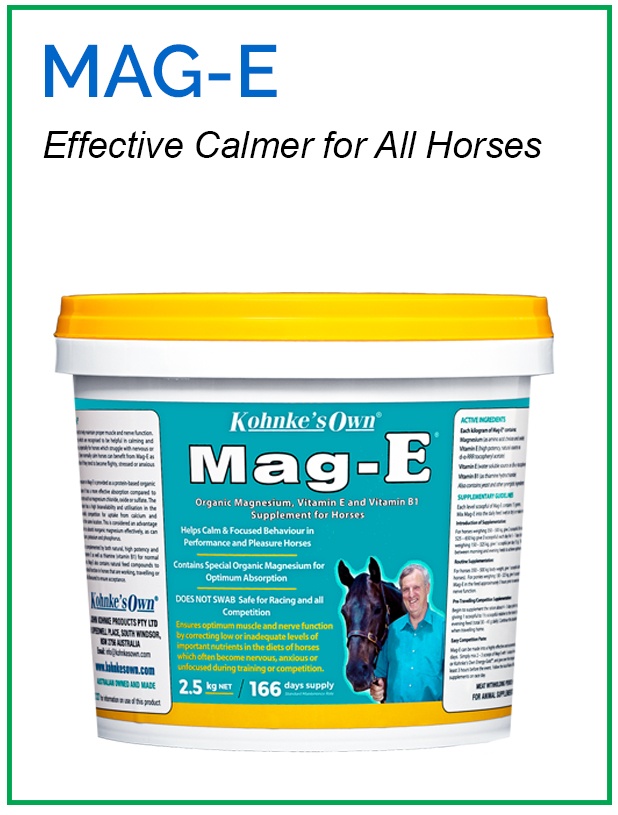
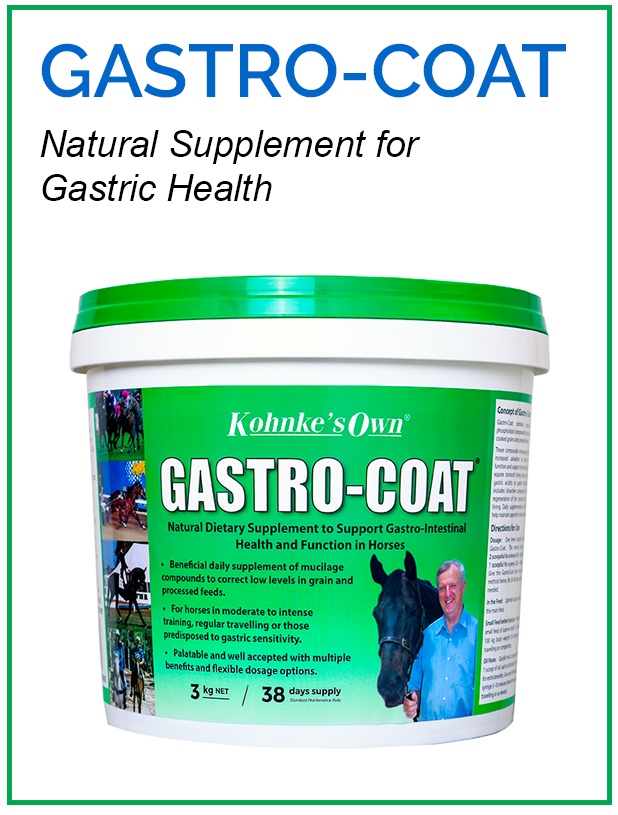
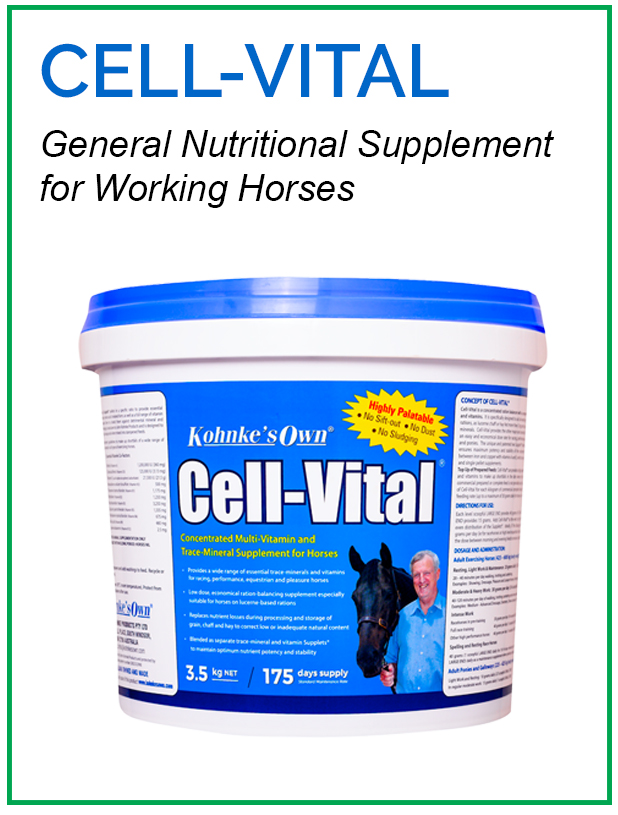
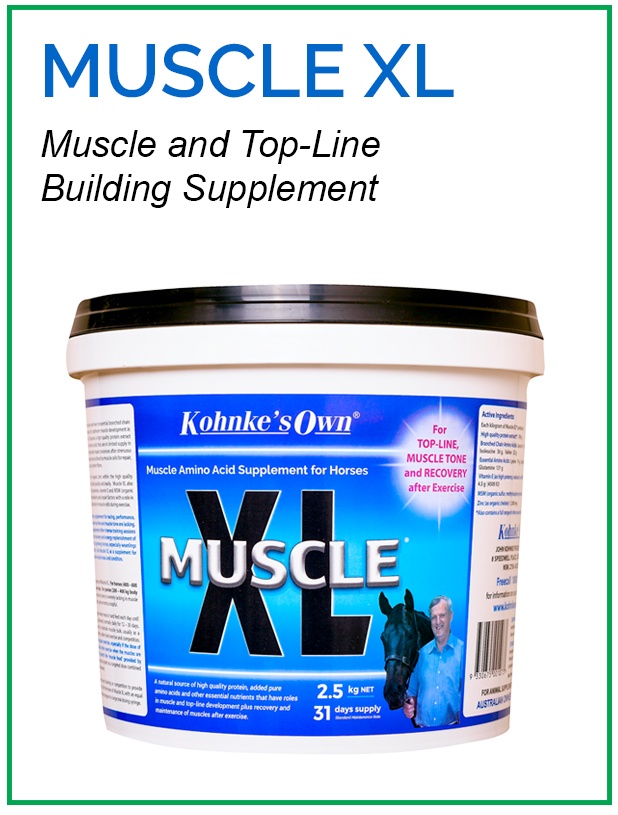
Popular Products
Superior Customer Service
Your horse’s diet plays a very important role in their health and performance, but constructing the perfect ration can be complicated and confusing without the right help. Kohnke’s Own Nutrition Advisors offer an amazing range of complimentary services for all Aussie horse owners.
Contact us for free ration analysis, feeding advice and product information with no obligation to purchase. We use the external, unbiased FeedXL software to show you an accurate view of your horse’s diet and how it meets their daily nutritional needs.
The Reviews Say it All!
Kohnke’s Own supports all horse owners, riders and trainers by designing supplements for every type of horse. Our range includes 30 different supplements and health care products and is trusted by those who love the results they get when feeding Kohnke’s Own! Check out each product page for reviews on our products and visit our Facebook page and Instagram as we regularly post feeding advice and run fun giveaway competitions.
About Dr John Kohnke
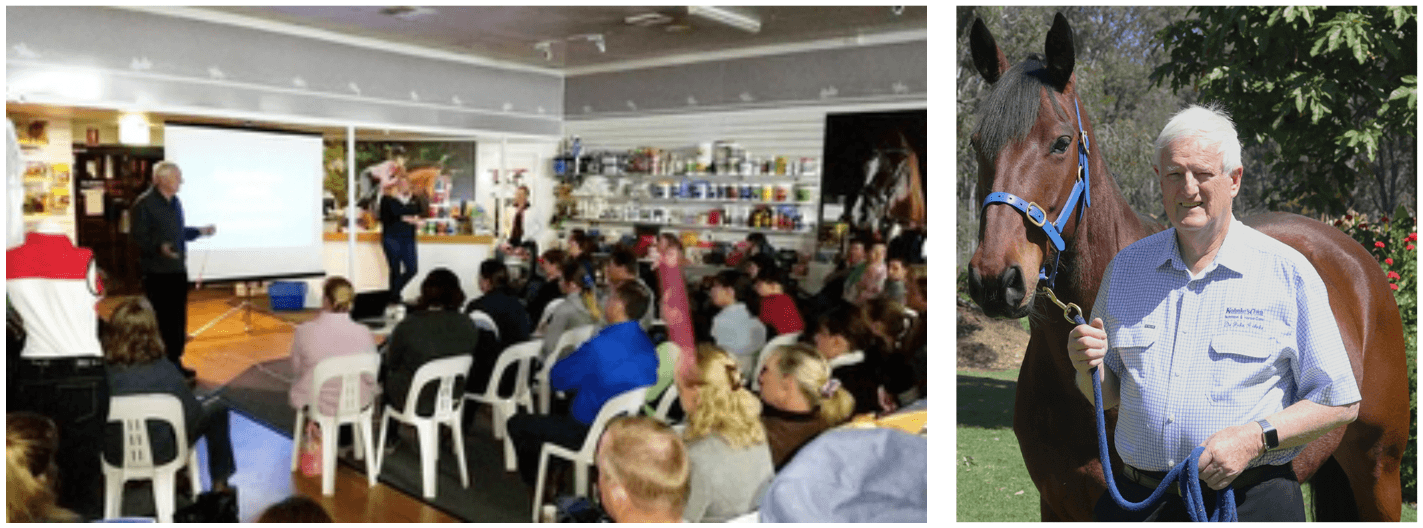
Dr. John Kohnke BVSc RDA is considered an authority on horse health and nutrition, with multiple books written and 1000’s of seminars given around Australia and the world. Kohnke’s Own products are formulated from his dedication to scientific research, published NRC guidelines on horse nutrition and his more than 40 years of practical experience in consulting on the feeding and nutrition of all types of horses.
“Kohnke’s Own helps to keep my team of horse’s feeling their best and in top form in the showjumping arena. My horse’s health and soundness is a number one priority and I wouldn’t recommend anything else.”
Isobel Guinness, Showjumping Competitor
“Giving the best supplements to my horse means I can get the best out of my horse. Trotting into the ring knowing they are looking and internally feeling their best gives me that extra confidence in our ability as a team. My horses look, feel and work better since using Kohnke’s Own products.”
Alyssa Walsh, Show Horse Competitor
“Thank you to my long term sponsors Kohnke’s Own, their guidance and support over the years is second to none, they are respected word leaders in their field and to know that all my horses nutritional needs are meet to keep them at this level is very gratifying and calming.”
Susan Elekessy, Callum Park Equestrian
“We adore our ponies and like to keep them in fine form for the show ring. My children love to ride and all our ponies thrive on Kohnke’s Own supplements. I’ve always seen great results when feeding Kohnke’s Own: each supplement has worked like they say it would. I trust Kohnke’s Own for all my ponies’ needs.” Amberley Thorpe, Show Horse Competitor.
“I have total confidence in the quality and reliability of Kohnke’s Own products. I’ve found that they are always palatable and easy to feed, especially the pellets. I trust Kohnke’s Own because I know that Dr. John has years of experience as a veterinarian and has helped many people in the horse industry, including myself.” George Johnson, Johnson Equestrian Services




 Facebook
 Instagram